TL;DR:
- Effective group activities for neurodiverse children prioritize sensory-friendly design and small group sizes to facilitate participation and regulation. Tailored environments, predictable routines, and low sensory loads enable children to connect and grow alongside peers, with staff responsiveness enhancing success. Asking organizers about ratios, sensory breaks, and accessibility beforehand helps ensure sessions meet individual regulation needs.
The best group activities for SEN children combine sensory accessibility, small group sizes, and predictable social environments to help neurodiverse kids connect, regulate, and grow alongside their peers. This is not a nice-to-have. It is the difference between a session your child can actually participate in and one you leave early, carrying their coat and your own quiet disappointment. Whether you are looking for inclusive activities for children in your local area or trying to understand what makes a group session genuinely work for a neurodiverse child, this guide covers the practical detail that most activity listings leave out.
How sensory-friendly design makes group activities work for SEN children
I used to scan activity listings looking for the word “inclusive” and assume that was enough. It is not. Inclusion as an afterthought looks like a soft play with one quiet corner tucked behind the ball pit. Inclusion built in from the start looks completely different.
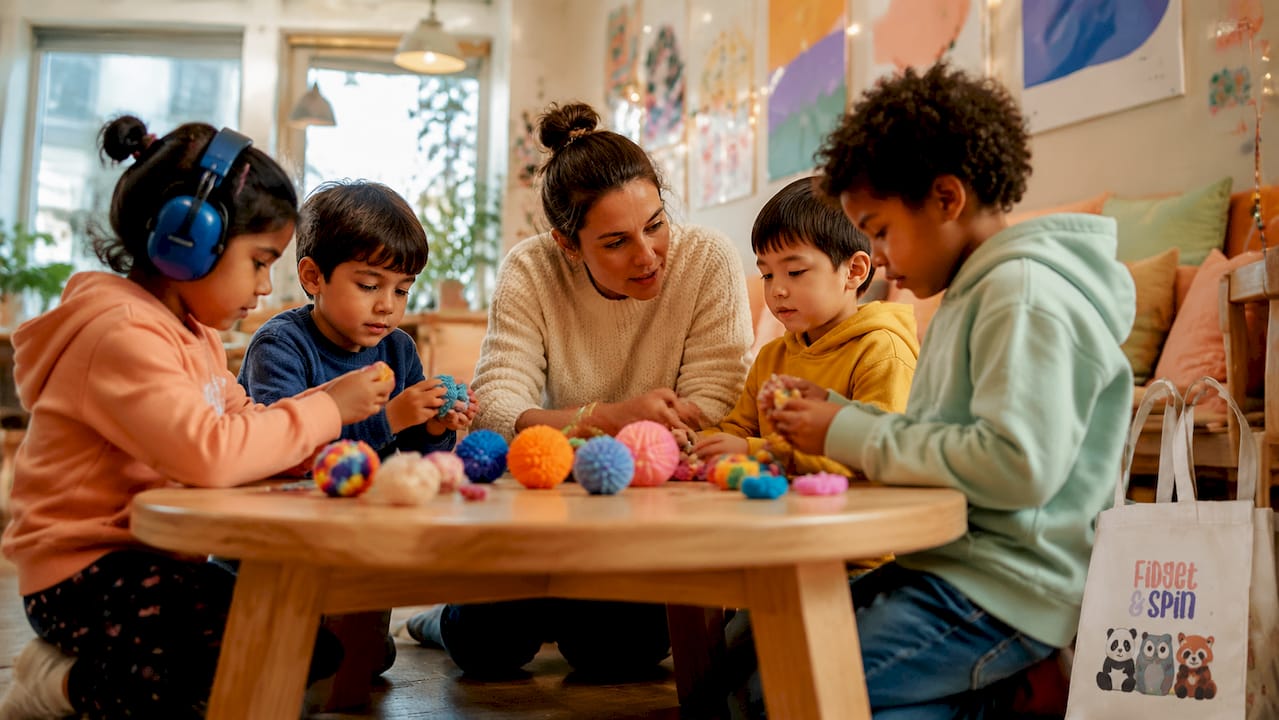
Sensory-friendly group activities are designed around predictable environments, manageable noise levels, and clear visual or physical cues. They reduce the chance of a child hitting sensory overload before the session has even properly started. When a child is not spending all their energy managing an overwhelming environment, they have capacity left for the actual point of the activity: connecting with other children.
The practical markers to look for include:
- Consistent session structure (same order each week, same start cue)
- Low or adjustable lighting and sound levels
- A clearly signposted calm or exit space
- Accessible toilets and a clear meeting point, which reduce anxiety significantly for both children and caregivers
- Small group sizes that allow staff to notice and respond to individual regulation needs
Pro Tip: Map the sensory load across a session before you book. Think about arrival (often chaotic), the main activity (variable), and the end (transitions are hard). A session that starts calm, peaks in the middle, and winds down gently is far easier for most neurodiverse children to manage than one that is high-energy throughout.
Organisations like Sense run sensory music and movement workshops specifically designed for children and young people aged 8 to 25 with complex needs. These sessions use indoor accessible spaces, modified activities, and explicit social connection goals. That combination is not accidental. It reflects what the evidence from practitioners consistently shows: sensory planning and social goals have to be designed together, not bolted on separately.
Why small group formats change everything
There is a version of group activity that is technically open to SEN children but practically inaccessible. Twenty kids in a sports hall with one coach and a lot of echoing noise. Your child lasts eight minutes. You both go home exhausted.
Small group formats change the dynamic entirely. When group size is limited, coaches and facilitators can adapt in real time. They can offer an alternative when one approach is not working, slow the pace without derailing the whole session, and notice when a child needs a regulation break before that need becomes a meltdown.
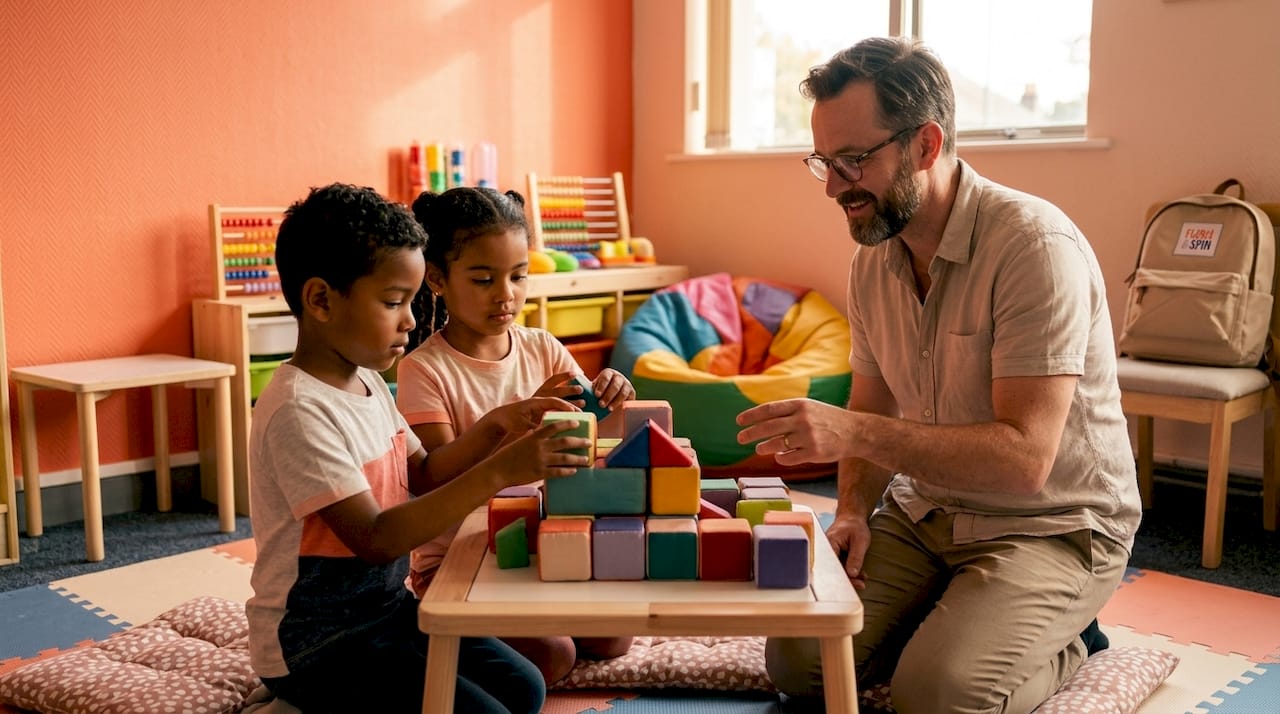
The Ditch the Stabilisers SEN cycling sessions are a good example of this done well. Groups are capped at three children, led by experienced coaches, and run regardless of weather except in severe conditions. That cap is not a logistical quirk. It is a deliberate design choice that makes genuine progress possible.
Here is what small group formats make possible that larger groups cannot:
- Personalised pacing. A child can move through skills at their own speed without feeling left behind or rushed.
- Parallel activity options. Offering a trike alongside a balance bike, for instance, means no child is forced into a progression that does not fit their body or confidence level. Parallel options reduce stress and build confidence without comparison.
- Immediate staff response. A ratio of one adult to three children means sensory or emotional needs are noticed and addressed quickly.
- Lower ambient noise and movement. Fewer bodies in a space means less unpredictable sensory input for every child present.
Pro Tip: Before booking any group activity, ask the organiser directly: what is your adult-to-child ratio, and how do you handle sensory breaks? If they cannot answer clearly, that tells you something important.
8 inclusive group activities worth knowing about
You do not need to reinvent the wheel. There are already some genuinely well-designed group activities for SEN kids out there. Here is a curated list of formats that work, with notes on why.
-
Teddy Bears Picnic and Sensory Walk. Run by Sense for children aged 0 to 8 with complex needs, this bear-hunt themed walk is wheelchair accessible, has accessible toilets, and uses a clear meeting point at Yeadon Tarn in Leeds. The relaxed pace and outdoor setting make it genuinely manageable for younger children.
-
Sensory music and movement workshops. Sense’s Little Voices sessions at Unitas Youth Zone in Barnet serve young people aged 8 to 25. Indoor, accessible, low-cost, and built around social connection as much as music. A rare combination.
-
SEND Squad Saturdays. Wolverhampton’s SEND Local Offer runs weekly themed activities in a calm environment for young people up to 25 with additional needs. No membership fees. Parents and carers attend alongside their children, which removes the anxiety of separation for many families.
-
SEN cycling sessions. The Ditch the Stabilisers model, with its three-child cap and adapted equipment, is one of the most thoughtfully designed team activities for children with processing differences currently available in the UK.
-
Inclusive discos. Sense hosts accessible disco events for people aged 16 and over at Wakefield Exchange. Sensory-aware lighting, food and drink vendors, and a venue designed for people with complex disabilities. Social events for older teens and young adults with SEN are genuinely rare, which makes this format worth highlighting.
-
Creative arts and crafts groups. Tactile, open-ended, and naturally low-pressure. The best versions have no fixed outcome and allow children to engage at their own pace. Look for sessions that offer sensory alternatives (wet clay versus dry clay, for instance) rather than a single prescribed material.
-
Animal-assisted therapy sessions. Structured contact with animals, particularly dogs or small animals, can support regulation and social engagement in ways that feel less demanding than direct peer interaction. Several charities and therapy providers run group formats specifically for neurodiverse children.
-
Yoga and sensory-friendly movement. Sessions designed for neurodiverse children use predictable sequences, visual cues, and optional participation. The Neurodiverse Skills and Confidence course run by Inspire Charity UK for young people aged 11 to 19 is a good example of this approach: calm environments, predictable routines, no formal diagnosis required to attend.
Comparing activity options: what fits your child’s needs
Not every activity suits every child. The table below summarises key features to help you think through which format might be the right starting point for your family.
| Activity | Age range | Sensory demand | Group size | Caregiver attendance | Social focus |
|---|---|---|---|---|---|
| Teddy Bears Picnic and Sensory Walk | 0 to 8 | Low to medium | Small | Yes | Gentle, parallel play |
| Sensory music and movement | 8 to 25 | Medium | Small to medium | Optional | Active, shared experience |
| SEND Squad Saturdays | Up to 25 | Low to medium | Medium | Required | Themed social activities |
| SEN cycling sessions | Varies | Medium | Very small (3 max) | Nearby | Skill-based, peer alongside |
| Inclusive disco | 16 and over | Medium to high | Large | Optional | Social, celebratory |
| Creative arts and crafts | All ages | Low | Variable | Optional | Open-ended, self-paced |
| Yoga and movement | 11 to 19 | Low | Small | Optional | Structured, calm |
The most useful question to ask before any session is not “will my child enjoy this?” It is “can my child regulate well enough to access this?” A child who is already dysregulated before arrival will not get much from even the best-designed session. Outdoor activities tend to offer more natural regulation support through movement and fresh air. Indoor sessions offer more control over sound and light. Neither is universally better. It depends on your child, that week, that day.
Local SEND Local Offers are an underused resource for finding these sessions. Most local authorities maintain a searchable directory of SEND-supported activities in your area, often including details on accessibility, cost, and caregiver requirements.
Key takeaways
The most effective group activities for SEN children are those where sensory access, small group ratios, and social goals are designed together from the start, not added as adjustments.
| Point | Details |
|---|---|
| Sensory design comes first | Activities built around predictable environments and manageable sensory load enable genuine participation. |
| Small groups are not a compromise | Capping groups at three to six children allows real-time adaptation and reduces overload for every child present. |
| Accessibility details matter | Wheelchair access, clear meeting points, and accessible toilets reduce caregiver anxiety and improve attendance. |
| Parallel options reduce pressure | Offering alternative equipment or activity formats means no child is forced into a progression that does not fit. |
| Ask before you book | Confirming ratios, sensory break policies, and alternative options before attending significantly improves outcomes. |
What I have actually learned from taking Remy to group activities
I have left a lot of sessions early. I have stood in car parks with a child who was done twenty minutes in, trying to look like everything was fine. I have also found sessions that Remy genuinely loves, and the difference between those two experiences almost always comes down to the same things: how much noise, how many children, and whether the person running it had clearly thought about what happens when a child needs to step back.
The thing I wish someone had told me earlier is to contact the organiser before the first visit. Not to ask for special treatment. Just to explain a bit about Remy’s processing differences and ask how they handle it when a child needs a break. The answer tells you almost everything. If they say “oh, we’re very flexible, just let us know on the day,” that is a yellow flag. If they say “we have a quiet corner here, and our ratio is one adult to four children, and we always start with the same song so children know what’s coming,” that is a green one.
I also think we underestimate how much gentle social interaction matters even when it looks like nothing is happening. Remy spent three sessions at one group sitting slightly apart from the other children, watching. By session four he was joining in. That is not failure. That is processing. The activities that gave him space to do that without pressure were the ones that actually worked.
— Caitlin
Sensory play sessions in Brighton built for neurodiverse children
At Fidget and Spin, we built the sessions we could not find. Our weekly sensory play sessions in Brighton and Hove are designed specifically for neurodiverse children aged 1 to 6, with three distinct zones: Wiggle and Bounce for big movement, Snuggle and Chill for low-stimulation rest, and Squish and Squeeze for tactile play. Caregivers are always welcome and always needed. There is no pressure to participate in any particular way. Sessions follow a consistent structure so children know what to expect, and the space is calm enough that most children can actually regulate within it. If you want to understand how our sessions work before you come, everything is on the website. We also run sensory birthday parties across Brighton, Hove, and wider Sussex for children aged 1 to 7. Because every child deserves a party that actually works for them.
FAQ
What makes a group activity suitable for SEN children?
A suitable group activity for SEN children has a small group size, a predictable structure, manageable sensory demands, and staff who understand how to support regulation breaks. Accessibility details like wheelchair access and quiet spaces are also markers of a well-designed session.
How do I find SEN group activities near me?
Your local authority’s SEND Local Offer is the best starting point. It lists SEND-supported activities in your area with details on age range, cost, and caregiver requirements. Organisations like Sense and Inspire Charity UK also run sessions across the UK.
Should I stay with my child during group activities?
Many SEN group activities require or strongly encourage caregiver attendance, particularly for younger children or those with complex needs. Sessions like SEND Squad Saturdays specifically ask parents and carers to attend alongside their children, which supports regulation and reduces separation anxiety.
How small should a group be for a neurodiverse child?
Groups of three to six children are generally most effective for neurodiverse learners. The Ditch the Stabilisers cycling sessions cap at three children per coach, which allows real-time adaptation and significantly reduces sensory overload.
What should I ask an organiser before attending a new group?
Ask about the adult-to-child ratio, how they handle sensory breaks, whether there is a quiet space available, and what the session structure looks like. Clear, specific answers to these questions are a reliable indicator that the session has been designed with neurodiverse children genuinely in mind.
Recommended
- What is SEN? Understanding support for your child in Brighton | Fidget and Spin Brighton
- What is SEN? Understanding support for your child in Brighton | Fidget and Spin Brighton
- A practical guide to emotional regulation for SEN children | Fidget and Spin Brighton
- A practical guide to effective sensory club sessions | Fidget and Spin Brighton