Skip the plastic tat. One useful, non-food item, or no bag at all, beats six quid of stuff that ends up under the sofa by Tuesday. It costs less, makes less mess, and doesn’t overload a child who’s already had enough excitement for one afternoon. I’m Caitlin, mum to an autistic and ADHD six-year-old and co-founder of Fidget and Spin, and I’ve got a list of ideas below that guests will keep.
TL;DR:
- Choosing one quality, sensory-friendly item or no takings at all significantly reduces waste and simplifies party planning for neurodiverse guests.
- Eco-friendly fillers like seed packets, pre-loved books, and wooden toys can be sourced cheaply from charity shops and bulk suppliers, lasting much longer than plastic alternatives.
- Sensory and tactile gifts should avoid flashing lights, loud noises, strong scents, and small choking hazards to be safe for children with sensory sensitivities.
- Packaging can be minimized by placing a single item on each seat or creating a craft station for children to make their own keepsakes during the party.
- Opting for neutral, gender-inclusive items and matching materials to the party theme without relying on licensed plastic toys fosters inclusivity and sustainability.
Table of Contents
- Party bag rules: what actually makes the cut
- Non food party bag ideas by category and budget
- What to choose, and skip, for sensory-friendly guests
- How to package and hand out non-food take-homes
- From my parties: what’s worked and what hasn’t
- Sustainable, plastic-free filler options that hold up
- Gender-neutral party bag options that skip the pink-blue split
- Theme-coordinated non-food ideas that don’t need plastic
- Eco-friendly sourcing: where to actually buy this stuff
- Final thought: give yourself permission to simplify
- How we do take-homes at Fidget and Spin
- Sources
- FAQ
Party bag rules: what actually makes the cut
Every parent I know has stood in a supermarket aisle holding a net bag of plastic whistles, wondering how they got here. Here’s the filter I use now, and it’s saved me both money and my sanity.
Keep it minimal. One good item beats a bag stuffed with bits nobody wanted. Skip anything single-use plastic, and skip anything that flashes, beeps, or screeches the second a small hand touches it.
- One quality item, not five cheap ones
- Nothing that needs batteries or makes sudden noise
- Nothing that’s landfill by Wednesday
- Something a child would actually pick up again
Pro Tip: If you wouldn’t want it in your own house for the next six months, don’t put it in someone else’s.
Typical party bag costs sit between £3 and £10 per child once you add up the fillers. A single personalised item, like a decorated cup or a small keepsake, often comes in around £2 to £3 and gets used far longer than a plastic yo-yo ever will.
Non food party bag ideas by category and budget
Here’s the actual bank of ideas, sorted by category so you can match them to your theme, and by price so you’re not guessing.
1. Crafts and making
Under £1: paper origami sheets, a single sheet of stickers, a mini colouring booklet made from scrap paper. £1 to £3: a small pack of chalks, a mini watercolour set, friendship bracelet thread with beads. £3 and up: a proper craft kit (pom poms, felt, glue) bought in bulk and split between bags.
Charity shops are goldmines for craft supplies nobody’s touched. Buy a job lot of buttons or beads and divide them out. It’s cheaper per head than anything from a party shop.
2. Outdoors and nature
Under £1: a single wildflower seed packet. £1 to £3: a small trowel, a bug viewing pot, a packet of sunflower seeds with a growing guide. £3 and up: a mini gardening set with gloves sized for small hands.
Seed packets and plantable gifts are one of the best value ideas going, and some suppliers now offer packaging you can return and reuse, so you’re not even generating the small bit of card waste. Cress seeds work indoors too, whatever the weather’s doing.
3. Sensory and tactile
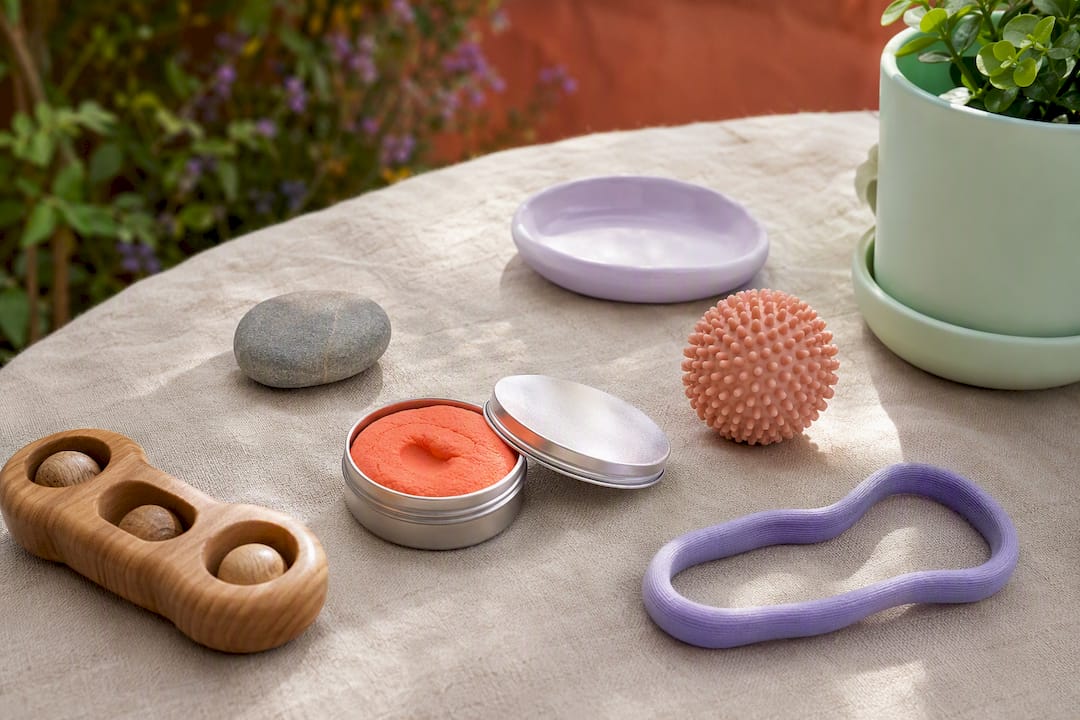
Under £1: a single stretchy band, a smooth pebble. £1 to £3: putty or dough in a small tin, a wooden fidget spinner, a textured ball. £3 and up: a proper tactile fidget tool built to last, not snap in a week.
These are the ones that get used again and again, not because they’re exciting, but because they’re calm.
4. Keepsakes
Under £1: a pressed flower bookmark, a hand-decorated luggage tag. £1 to £3: a small notebook, a personalised badge. £3 and up: a pre-loved book chosen to match the birthday child’s interests.
Pre-loved books create more of a connection than most parents expect, and they cost a fraction of anything new.
5. Experiences and activities
Under £1: a hand-drawn “voucher” for a shared activity later. £1 to £3: a small puzzle, a pack of playing cards. £3 and up: a mini board game sized for one, bought in a multipack and split.
6. Practicals
Under £1: a pencil, a rubber shaped like an animal. £1 to £3: a small torch, a reusable water bottle sticker set. £3 and up: a set of coloured pencils in a tin they’ll keep.
Pro Tip: Buy one of each idea and personalise it with the guest’s initial. It costs almost nothing extra and turns a generic filler into something they’ll actually keep.
Bulk craft packs from wholesalers, and second-hand book bundles from charity shops, bring the per-child cost down without anyone noticing the corners you’ve cut.
What to choose, and skip, for sensory-friendly guests
I’ve watched my son shrink away from a “fun” pop-up toy at a party more times than I can count. Nobody meant harm. Nobody thought about it either.
Tactile, bendable, and twistable tools work well for neurodiverse guests, things a hand can squeeze or turn without needing to look at them. Soft putty, wooden manipulators, a simple fidget tool, or a paperback book all land safely. Predictable is the goal, not exciting.
Avoid:
- Anything with flashing lights or sudden sound
- Strongly scented items, felt tips included
- Pop-up surprises or jack-in-the-box mechanisms
- Small parts that are a choking risk for younger siblings in the room
Before you buy or make anything, run it through three questions: can a child use it without being startled, does it need no explanation to enjoy, and would it survive being dropped, squashed, or chewed. If it passes all three, it’s probably safe for most sensory needs at the table. Our guide to low stimulation party ideas goes into more depth if you’re planning the whole party this way, not just the take-home.
Pro Tip: Keep one or two spare sensory items in your bag on the day. There’s always a child who arrives overwhelmed and needs something to hold before they’ve even sat down.
How to package and hand out non-food take-homes
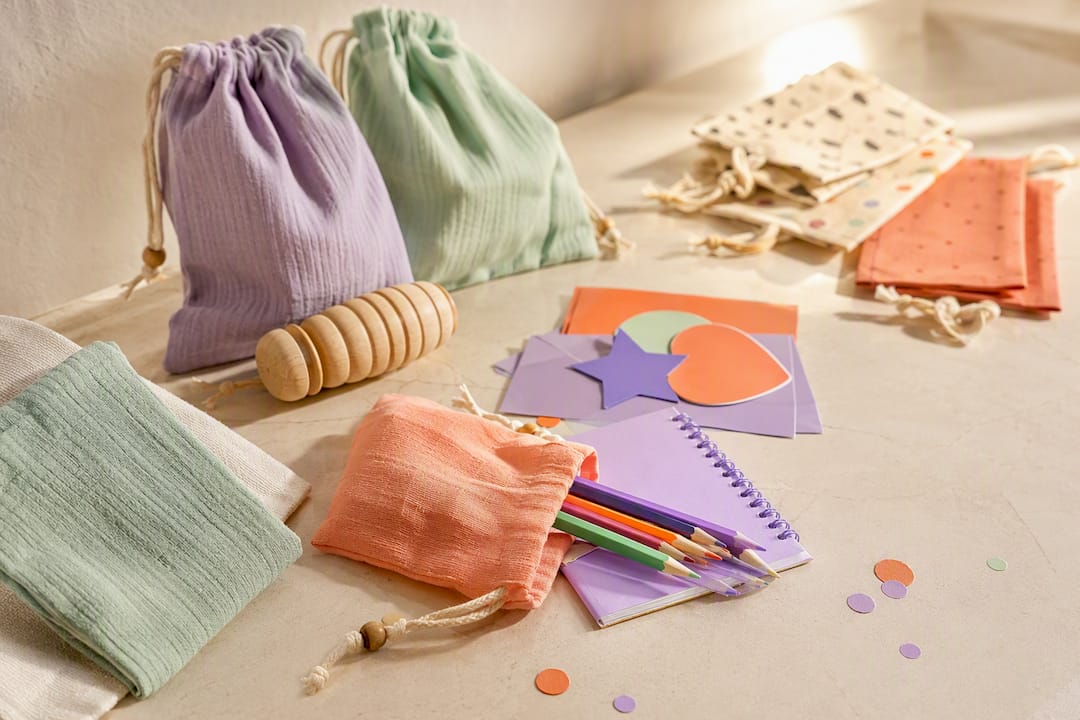
You don’t need a bag at all. A single item placed at each seat does the job better, with none of the plastic packaging and none of the assembly stress.
- Skip the bag. Place one item on each seat as part of the table setting.
- Set up a craft station where children make their own take-home during the party, so it doubles as an activity.
- Use paper envelopes for seed packets instead of plastic wrap.
- Decorate plain cups or jars in advance as both the drinks vessel and the gift.
Quick logistics: hand items out at the end, not the start, so nothing gets abandoned mid-cake. Label anything with a name if you’re worried about mix-ups, and check for allergy risks on anything scented, even non-food items like scented erasers or bath bombs.
- Buy one craft item in bulk rather than several small ones
- Reuse jars and containers you already have at home
- Skip gift wrap entirely and use brown paper offcuts
From my parties: what’s worked and what hasn’t
I ran a party for my son’s sixth birthday and put a single wooden fidget tool at each seat instead of a bag. No wrapping, no last-minute stuffing bags at 11pm the night before. Nobody asked where the rest of their bag was.
Children can find birthday parties overwhelming, and quiet, purposeful gifts help extend the calm rather than adding to the noise. That’s the whole logic behind ditching the traditional party bag altogether.
It saved us roughly an hour of prep and about £15 compared to bags for the same number of guests. If you want more on running a calmer party start to finish, our piece on throwing a quiet birthday party for neurodiverse kids covers the bits beyond the take-home too.
— Caitlin
Sustainable, plastic-free filler options that hold up
Plastic fillers are the default because they’re cheap and available everywhere, not because they’re good. Most snap within days and can’t be recycled because they’re a mix of materials.
Wooden toys, cloth items, paper crafts, and seed packets all avoid the problem entirely. A wooden fidget spinner or a set of wooden building blocks costs more upfront than a plastic version but survives years of handling, which matters if it’s going to a sibling too. Cloth bunting scraps, fabric offcuts turned into small drawstring pouches, or beeswax wraps sized for a child’s lunchbox are all reusable rather than disposable.
Card and paper items, like a small notebook or a set of stickers on recycled card, biodegrade properly if they do end up binned, unlike anything laminated or foil-wrapped. Roundups of eco-friendly fillers consistently point to arts and crafts supplies, wooden toys, and natural materials as the categories that hold up best over time, both physically and environmentally.
Second-hand is the quiet hero here. A charity shop paperback or a pre-loved wooden toy costs less than a new plastic equivalent and keeps something out of landfill twice over. Buying in bulk and splitting between children, rather than buying pre-packaged multipacks, cuts down on the small plastic wrappers that come with individual party favours. It’s a bit more admin on your end, but the packaging waste drops to almost nothing.
Gender-neutral party bag options that skip the pink-blue split
Party shops still sort everything into pink for girls and blue for cars and dinosaurs, and it drives me up the wall. Half the room doesn’t fit either box, and forcing a choice at the door is its own small unkindness.
Sensory and tactile items solve this by default. Putty, fidget tools, wooden blocks, and seed packets have no gender attached to them at all, which makes shopping faster too, since you’re not buying two different versions of everything.
Books work well if you pick by interest rather than by assumed gender, animals, space, or a favourite story character rather than anything marketed at one sex. Craft supplies, stickers, notebooks, and drawing materials sit in the same neutral space.
If you want a bit of colour variety without splitting the guest list into two piles, buy one item in three or four colours and let children pick, or choose colours by theme (all green for a dinosaur party, all yellow for space) rather than by assumed gender. It’s one less decision to make on the day, and nobody feels handed the “other” bag.
Theme-coordinated non-food ideas that don’t need plastic
A theme doesn’t have to mean a plastic tie-in toy from the theme’s tie-in film. Most themes translate easily into non-food, non-plastic items if you think about materials rather than characters.
For a dinosaur party, small dig-and-discover kits or a single fossil-shaped stone work better than a plastic dinosaur that snaps its tail off within the week. A space theme suits glow-in-the-dark stickers on card, or a small notebook with a star map printed inside. Under-the-sea themes pair naturally with wooden fish shapes or shell-shaped soap, though avoid scented soap for sensory-sensitive guests.
Garden or bug themes are some of the easiest to make sustainable, since a bug viewing pot or a seed packet already fits the theme without any extra effort. Pirate themes work with a small drawstring pouch (fabric “treasure bag”) holding a wooden coin or a compass sticker. Superhero themes can lean on a cape made from fabric offcuts rather than a plastic mask that cracks the first time it’s worn.
The trick is matching material to theme rather than character to theme. A wooden or paper item themed around the party’s colours and shapes does the job just as well as a licensed plastic toy, usually for less money, and it survives being loved properly.
Eco-friendly sourcing: where to actually buy this stuff
None of this works if the sourcing takes hours. Here’s where I actually go.
Charity shops are first stop for books, wooden toys, and fabric scraps. Craft wholesalers sell beads, felt, and stickers in bulk packs that work out far cheaper per child than buying individual party-shop bags. Seed suppliers, including smaller independent ones, often sell packets specifically sized for party favours, sometimes with returnable packaging built in.
Local makers and market stalls are worth checking too, particularly for small wooden items, since buying local usually means less packaging and shorter shipping distances. For anything you’re making yourself, fabric offcuts from an old sewing project, jam jars you’ve already got, or card from cereal boxes all work as materials with zero extra cost and zero extra waste.

Final thought: give yourself permission to simplify
You don’t need a bag. You don’t need six items either. One useful, sensory-friendly thing, or nothing at all beyond a good time, is a completely valid choice. If you’re stuck, ask yourself three options: skip it, give one quality item, or hand out something tactile and calm. Any of the three is enough. If you’d rather someone else carry the planning weight, that’s exactly what a booked party is for.
How we do take-homes at Fidget and Spin
Fidget and Spin is the alternative to a DIY party for parents who’d rather not be up at midnight decorating cups. We build the calm in from the start, three distinct zones so nobody’s forced into overstimulation, and we choose take-homes the same way you’d want to yourself: tactile, predictable, no flashing plastic, no noise nobody asked for.
Our packages, The Wee One, The Big One, and The Whole Shebang, cover different party sizes and budgets, but every single one includes appropriate, sensory-friendly extras rather than a bag of tat. If you want a party where the take-home matches the calm of the day itself, have a look at our sensory birthday parties in Brighton and get in touch about dates. We’ll talk you through what fits your child, not just what fits a template.
Sources
- Sustainable party bag alternatives - The Kids Party Pact
- Creating inclusive celebrations - Propel Autism
- Sensory-friendly party ideas - Child Mind Institute
- Sustainable party bag ideas — Natural Shoots
FAQ
What can I do instead of a party bag?
Give one useful, non-food item placed at each seat, or a small planting kit, rather than a filled plastic bag. It costs less and creates far less clutter.
What are some non-junk party bag filler ideas?
Wooden fidget tools, seed packets, pre-loved books, and small craft kits all work well and hold up longer than plastic novelties.
What can I put in a party bag besides sweets or toys?
Tactile sensory items, stationery like pencils and notebooks, and small keepsakes such as badges or bookmarks all make good non-food fillers.
What can I do instead of party bags for a four-year-old’s party?
A single sturdy item, like a wooden toy or a soft fidget tool, suits younger children better than several small pieces that risk becoming a choking hazard. A brief craft station as part of the party can double as the take-home too.