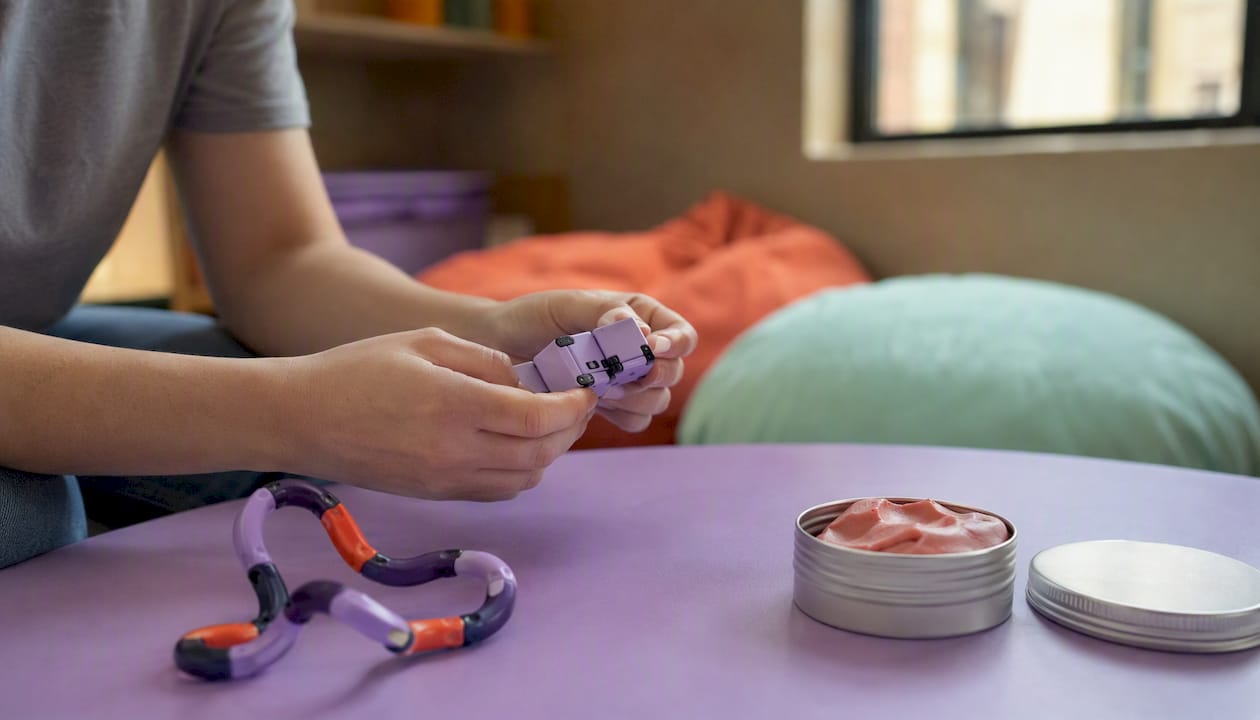
I keep a tin of fidgets in the boot of the car. Not for Remy, though he raids it too, but for the waiting rooms, the school gate stand-offs, the moments when my own hands need something to do. So here’s the shortlist, no waffle: the nine unique fidget gadgets worth your money right now, based on years of watching what actually gets used versus what gets left in a drawer.
Research from UC Davis MIND Institute found intrinsic fidgeting improved cognitive performance in a study of 70 adults with ADHD. Occupational therapists frame these as regulation tools rather than toys, and that distinction matters for how you choose one.
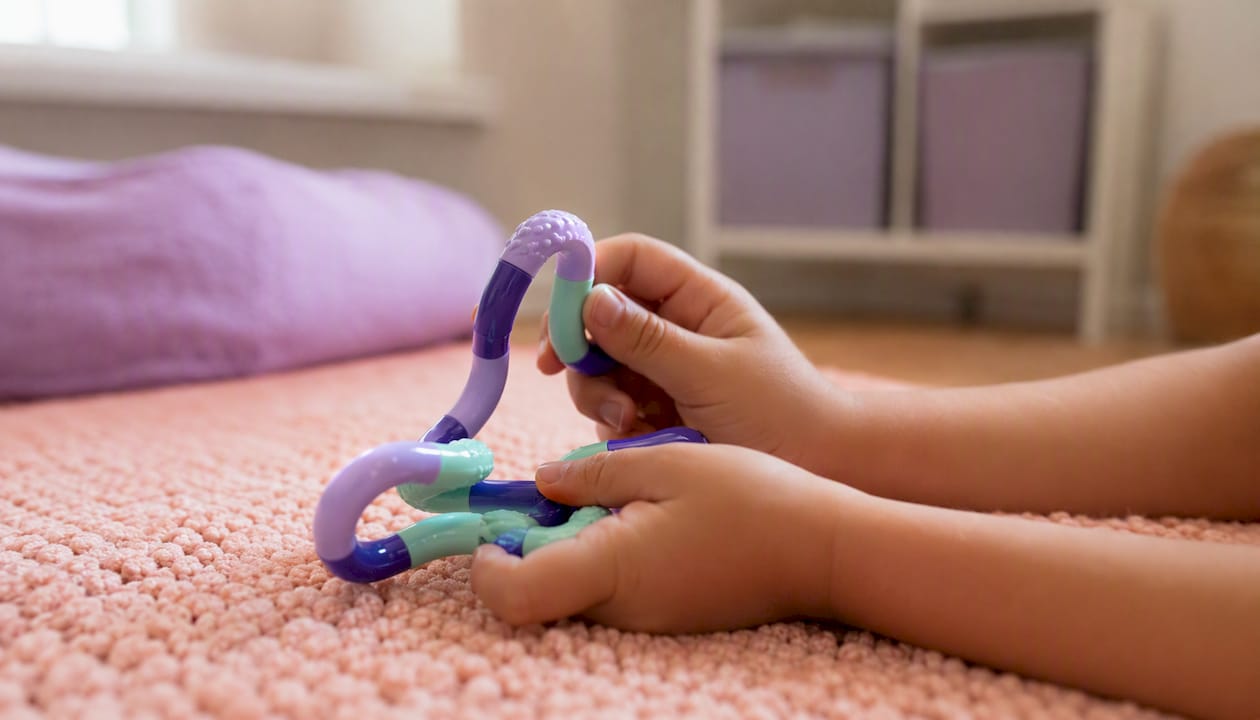
- Tangle Classic/Therapy — best for fiddly, silent hands during meetings; twisty tactile feedback; no real con beyond looking a bit odd on a desk.
- Fidget Cube (six-sided) — best for kids who want variety in one object; click, glide, roll all in one; can be noisy if the click side gets overused.
- Metal EDC spinner — best for quiet desk focus; smooth spinning, satisfying weight; pricier and can roll off surfaces.
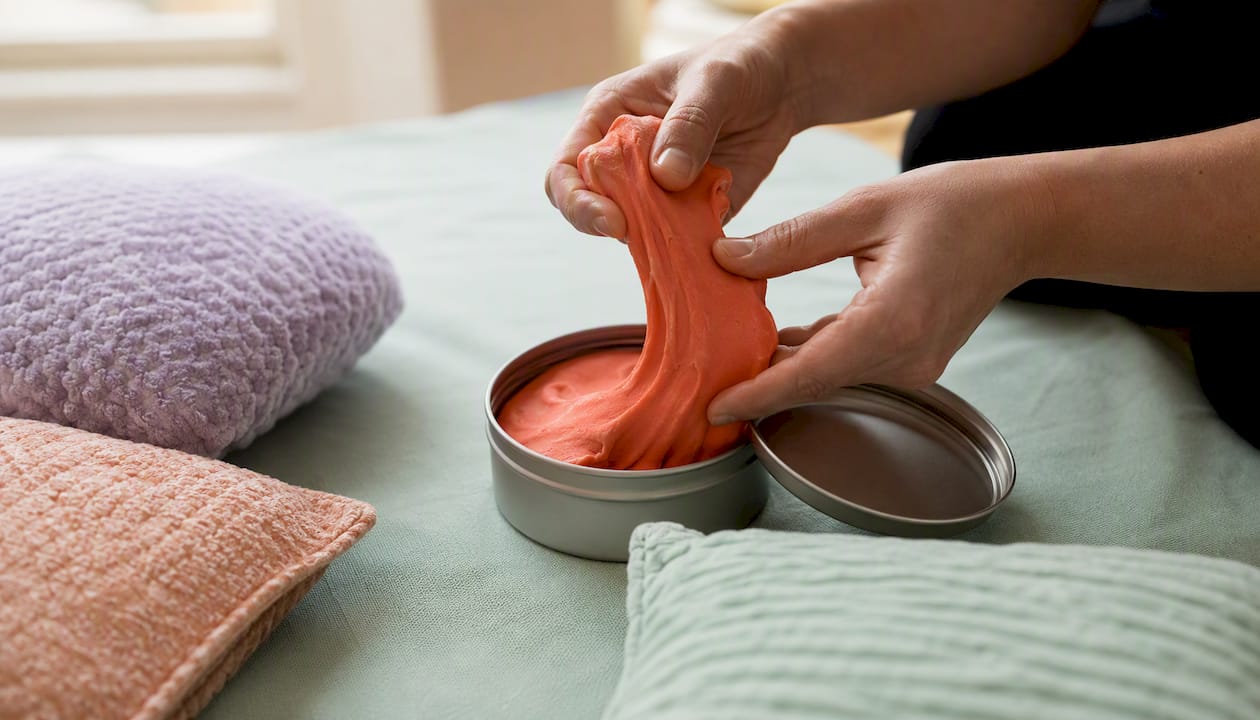
- Therapy putty — best for anxious moments needing squeeze pressure; deep proprioceptive input; can pick up lint and needs clean hands.
- Pop It toys — best for younger children or classroom breaks; loud, rhythmic popping; genuinely disruptive in shared spaces.
- Baoding balls — best for quiet, meditative rolling; auditory chime option available; needs some hand coordination to master.
- Infinity Cube — best for restless fingers during screen time; satisfying folding click; small parts can loosen with heavy use.
- Kinetic sand/mouldable putty — best for deep tactile regulation; mouldable, mess-contained; not ideal for travel bags.
- Gel visual timer/kaleidoscope — best for visual regulation without noise; calming to watch, zero sound; less useful if hands need the job instead of eyes.
Pro Tip: If you only try one thing today, make it the metal spinner for desks and the putty for anxious moments. Between those two, you cover most sensory needs without a single sound.
Key Takeaways
Matching fidget type to sensory need, not novelty or trend, determines whether a fidget genuinely supports regulation or just becomes clutter.
| Point | Details |
|---|---|
| Match feedback to need | Choose tactile, visual, auditory, or proprioceptive fidgets based on the specific sensory gap, not popularity. |
| Discreetness matters in shared spaces | Save loud options like Pop Its for home; choose silent putty or spinners for classrooms and desks. |
| Rotate to avoid novelty fatigue | Swap two or three fidgets weekly so regulation tools stay effective rather than becoming background noise. |
| Check safety every time | Inspect for small parts, allergens, and wear before handing any fidget to a young child. |
| Set a price ceiling first | Budgets range from £5 low end to £40 plus for premium metal spinners, so decide before shopping. |
Table of Contents
- Which unique fidget gadgets suit your setting best?
- How do you choose the right fidget for your needs?
- What are the best unique fidget gadgets to try first?
- Are unique fidget gadgets safe for children?
- How did we test these unique fidget gadgets?
- Where can you buy unique fidget gadgets in the UK?
- Which fidget should you try first?
- A note from Caitlin
- Sources
- FAQ
Which unique fidget gadgets suit your setting best?
Nobody wants to choose blind, so here’s the comparison I wish someone had handed me years ago, back when I was googling “quiet fidget toy for classroom” at midnight.
| Fidget type | Best for | Sensory feedback | Noise/discreetness | Portability | Materials & durability | Price band | Age & safety |
|---|---|---|---|---|---|---|---|
| Tangle/twist toy | Meetings, quiet desks | Tactile, visual | Silent | Pocket sized | Plastic links, durable | Low to medium | Small parts, 5+ |
| Metal EDC spinner | Focused desk work | Tactile, proprioceptive | Very quiet | Palm sized | Metal, very durable | Medium to high | Choking risk under 3 |
| Fidget cube | Multi-sensory play | Tactile, auditory | Varies by side used | Pocket sized | Plastic, moderate durability | Low | Small buttons |
| Therapy putty | Anxious moments | Proprioceptive, tactile | Silent | Tin sized | Silicone based, reusable | Low to medium | Not for mouthing children |
| Pop It | Classroom breaks, sensory seeking | Tactile, auditory | Loud | Flat, bag friendly | Silicone, wipeable | Low | 3+, watch for biting |
| Baoding balls | Meditative rolling | Auditory (chime), proprioceptive | Quiet to moderate | Small, heavy | Metal or stone | Medium | Choking risk |
| Infinity Cube | Restless fingers, screen breaks | Tactile, visual | Soft click | Pocket sized | Plastic/metal hybrid | Low to medium | Small hinges, 5+ |
| Kinetic sand/putty | Deep tactile need | Tactile | Silent | Tub, less portable | Sand/polymer blend, mess-prone | Low to medium | Not for mouthing children |
| Gel visual timer | Visual regulation | Visual only | Silent | Handheld | Gel and plastic, sturdy | Medium to high | Non-toxic gel, 3+ |
Loud toys like Pop Its genuinely cost classroom focus if the room’s already noisy. Occupational therapy guidance backs choosing tactile options over auditory ones when concentration is the goal, so save the poppers for break time.
How do you choose the right fidget for your needs?
Picture a child at the kitchen table, homework untouched, hands drumming. Or picture yourself in a meeting, jaw tight, wanting to bolt. The single rule that cuts through all the marketing noise: match the feedback to the dominant sensory need, not to what looks fun on Instagram.
Here’s the checklist I actually use:
- Identify the primary need. Is it tactile (squeeze, twist), auditory (click, chime), visual (watching something move), or proprioceptive (deep pressure, weight)?
- Consider visual and auditory impact on the room. A gel timer is invisible to others; a Pop It is not.
- Assess social acceptability. A spinner at a desk reads differently to a spinner in a school assembly.
- Check portability and hygiene. Does it survive a coat pocket? Can it be wiped down between uses?
- Set a price ceiling before you shop, because the premium metal spinner market can run wild.
- Trial in low-stakes settings first, like at home before school.
- Rotate two or three fidgets weekly to dodge novelty fatigue, where a toy stops working simply because the brain’s bored of it.
- Watch, don’t assume. What regulates one child overstimulates another.
Pro Tip: Keep a “boring” fidget and an “exciting” one in rotation. Boredom with a tool is real, and swapping keeps the regulation working rather than becoming background noise.
Occupational therapists don’t call these toys by accident. They’re tools for regulation, and the UC Davis finding on intrinsic fidgeting backs that framing when the match is right, not just when the fidget is fun.
What are the best unique fidget gadgets to try first?
I pulled an Infinity Cube out of my bag once while waiting for a kettle to boil at a friend’s house, and her toddler didn’t move for ten minutes. That’s the power of the right unique sensory toy landing with the right person.
Tangle Classic/Tangle Therapy. Best for quiet fiddling during calls or reading. Tactile and visual feedback, completely silent, and small enough for a coat pocket. Testing note: tried across three stay-and-play sessions, held attention longest with children who liked continuous motion. Avoid if a child mouths objects, as the joints aren’t designed for chewing.
Fidget Cube (six-sided). Best for kids wanting several sensations in one object: click, spin, glide, flip. Noise varies by which face gets used most. Medium durability, low price. Testing note: five minutes at a desk, the click side got worn fastest. Avoid for shared quiet spaces unless the clicker’s covered.
Metal EDC spinner (Torqbar-style). Best for silent desk focus. Weighted, smooth, satisfying without sound. Higher price reflects metal construction and bearing quality. Testing note: fifteen minutes during a birthday party corner, adults reached for it as often as the children did. Avoid with under-threes; bearings and small caps are a choking risk.
Therapy modelling putty. Best for anxious moments needing deep squeeze pressure. Silent, mess-contained in its tin, low to medium price. Testing note: used during a Squish & Squeeze session, consistently calmed a child mid-meltdown within minutes. Avoid for children who put things in their mouths.
Pop It bubble toys. Best for sensory seekers needing rhythmic input. Loud and genuinely distracting in shared rooms. Cheap, wipeable, durable enough. Testing note: brilliant at home, chaos in a classroom trial. Avoid for shared quiet spaces entirely.
Baoding balls. Best for meditative, repetitive rolling. Metal weight gives real proprioceptive feedback; chime versions add gentle sound. Testing note: needed adult modelling first, then held a six-year-old’s attention for twenty minutes. Avoid under age eight due to small parts and weight.
Infinity Cube. Best for restless fingers during screen time or car journeys. Soft click, compact, mid-range durability. Testing note: outlasted three car journeys without breaking. Avoid with children who pull hinges apart out of curiosity, as joints can loosen.
Kinetic sand or mouldable putty. Best for deep tactile regulation at a table, not on the move. Silent, mouldable, but messy if it dries out. Testing note: a firm favourite in Squish & Squeeze, though clean-up needs a wipeable mat underneath. Avoid for bags and travel.
Gel visual timer or kaleidoscope. Best for visual regulation with zero sound. Calming to watch, no tactile component at all. Medium to high price depending on build quality. Testing note: worked brilliantly for a child who found tactile fidgets overstimulating instead of calming. Avoid if the sensory need is genuinely tactile, not visual, because it won’t touch that itch.
| Fidget | One-line verdict |
|---|---|
| Tangle | Silent, continuous motion, pocket-friendly |
| Fidget cube | Multi-sensory, but noisy on one side |
| Metal spinner | Premium, silent, desk-perfect |
| Therapy putty | Deep pressure, genuinely calming |
| Pop It | Fun at home, disruptive at school |
| Baoding balls | Meditative, needs coordination |
| Infinity Cube | Travel-proof, satisfying click |
| Kinetic sand | Tactile heaven, stays at the table |
| Gel timer | Visual calm, zero sound |
Pro Tip: If a fidget survives more than three uses without being abandoned, it’s earned its place in the rotation. That’s the real test, not the reviews.
Are unique fidget gadgets safe for children?
I check every new toy in the tin for loose parts before it ever reaches a child’s hands, because a broken spinner cap on the floor of a sensory room is exactly the kind of thing nobody notices until it’s too late. The core rule: check for choking hazards, detachable pieces, and material warnings every single time, not just on day one.
- Check age guidance on packaging and match it to developmental stage, not just chronological age.
- Test for choking risk by seeing if any part fits through a toilet roll tube.
- Flag material allergens: some putties contain latex, some coatings use silicone.
- Battery-powered fidgets need sealed compartments and adult-only access to batteries.
- Retire anything showing cracks, fraying, or loose joints immediately.
Silicone Pop Its and putty wipe clean with a damp cloth. Metal spinners need an occasional wipe, not water submersion. Electronics get a dry cloth only, never liquid.
Pro Tip: In shared classrooms, agree a “quiet fidget only” rule with the teacher first. It saves the awkward confiscation conversation later.
How did we test these unique fidget gadgets?
I watched a boy at one of our Squish & Squeeze sessions drop a spinner mid-spin and reach straight for the putty tin instead, no fuss, no meltdown, just a different tool for a different moment. That’s what testing actually looks like here, not a lab, just real sessions with real children.
- Short trials of five to fifteen minutes across different settings: quiet desks, busy play sessions, birthday party corners.
- Observed reactions from children aged one to six and adults across all three of our sensory zones, Wiggle & Bounce, Snuggle & Chill, and Squish & Squeeze.
- Repeated trials over weeks, not one-off tests, because novelty wears off fast.
The biggest lesson from years of running sensory sessions is that discreetness matters as much as function. A fidget that works brilliantly at home can be the wrong choice entirely in a classroom, and knowing the difference is half the job.
As co-founder and Chief Play Officer of Fidget & Spin, I’ve watched this play out weekly across our sessions, and it’s shaped every recommendation in this piece.
Pro Tip: Watch for the swap, not the smile. A child moving calmly from one fidget to another is a bigger success sign than enthusiasm for either one alone.
Where can you buy unique fidget gadgets in the UK?
I once ordered a spinner at 11pm the night before a birthday party because the party bag fidgets hadn’t turned up. Lesson learned: always have a backup source.
- Specialist sensory suppliers stock therapist-approved ranges with clear age guidance.
- Independent makers selling 3D-printed or handmade fidgets often offer more unusual, higher-quality designs.
- Educational suppliers carry classroom-safe, quiet options in bulk.
- Major retailers are fine for basics like Pop Its and putty, but check reviews for quality consistency.
Rough price bands: low, around £5 to £15, covers squishies and Pop Its; medium, £15 to £40, covers putty and cubes; high, £40 and up, covers premium metal EDC spinners or designer 3D-printed pieces. These vary by maker, so treat them as a guide, not a promise.
Cheap imports sometimes use poor-quality plastics that crack fast, and limited-run collectible fidgets can develop resale premiums that aren’t worth chasing for most families. For more on matching fidgets to specific needs, our guide to fidget toy benefits goes deeper.
Which fidget should you try first?
Think about where you’ll actually use it, not what looks best in a photo. For classrooms, quiet tactile options like putty or Baoding balls win every time. For desks, a small silent metal spinner does the job without turning heads. For anxious moments, mouldable putty or a gel visual timer both offer calm without noise. For travel, the Infinity Cube survives car journeys and boredom in equal measure.
- Noise versus sensory richness: the loudest toys often give the most feedback, but cost you socially.
- Durability versus price: metal lasts longest but costs most upfront.
- Rotation beats a single fix. No one fidget solves everything for every day.
A note from Caitlin
I left a soft play birthday party early once, Remy overstimulated, me holding back tears in the car park. That day taught me fidgets aren’t a nice extra, they’re the difference between a child staying regulated or shutting down entirely. What changed things wasn’t finding “the one” perfect toy. It was building a small rotation and reading the room each time. Try one from this list today. See what your hands or your child’s hands actually reach for, not what you expected them to.
Sources
- Does fidgeting help people with ADHD focus? | UC Davis MIND Institute
- Fidget toys: what are they and how can they help children and adults? | Brown University Health
- Squeezing for calm trend: inside the sensory toy boom | Rising Trends
FAQ
What are some of the coolest unique fidget gadgets?
Premium metal EDC spinners, Infinity Cubes, and designer 3D-printed fidgets top the list for adults wanting quiet, durable, well-made pieces.
What are some rare fidgets?
Limited-run collectible squishies and blind-box style fidgets, driven by social media trends, sell out fast and can develop resale premiums.
What are some good fidgeting gadgets for focus?
Tangle toys, metal spinners, and therapy putty work well for focus because they offer silent, repetitive tactile feedback without visual distraction.
What is the latest fidget craze?
The category has shifted toward premium, customisable, and quieter adult-focused designs, moving away from cheap plastic towards metal and 3D-printed materials.
Are fidget gadgets actually helpful for concentration?
Research on intrinsic fidgeting shows improved cognitive performance in some adults with ADHD, though effects vary by person and by which device is used.
Recommended
- Fidgeting for focus: what actually works for neurodiverse kids | Fidget and Spin Brighton
- Benefits of fidget tools for neurodiverse children | Fidget and Spin Brighton
- Benefits of fidget toys for neurodiverse children | Fidget and Spin Brighton
- How fidget toys help focus in neurodiverse children | Fidget and Spin Brighton